
Join getAbstract to access the summary!

The 360° Leader

Join getAbstract to access the summary!
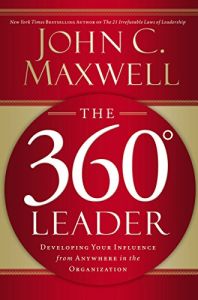
The 360° Leader

Developing Your Influence from Anywhere in the Organization

Thomas Nelson,

15 min read
10 take-aways
Text available

What's inside?

Leaders can come from any desk in the company, including yours, if you can manage up, down and across, all 360 degrees.


Editorial Rating

8

Qualities

  • Innovative
  • Applicable

Recommendation

Frequent author John C. Maxwell applies his career counseling formula to another aspect of leadership: how people in the middle of large organizations can add to their company's leadership equation. His popular books rely on long lists of myths, challenges, principles, rules or values. Each one is identified, numbered (Maxwell is a firm believer in the power of numerical orderliness) and accompanied by an example or uplifting story - often making it unclear whether the book is inspirational, instructional or both. In practice, will people refer to these lists, or simply draw from Maxwell's major concepts? Although leadership defies a static definition, getAbstract believes this book may come in handy for enlightened senior and middle managers, as well as for those who are involved in developing up-and-coming managers.

Summary

Lead from the Middle

Most organizations are hierarchical and follow a top-down leadership approach. But in actuality, 99% of all leadership decisions come from the middle of an organization. This presents an opportunity for most people to lead, so you don't have to be a senior executive to make an impact. People can lead from any position in an organization: from the bottom up, top down or across. Those who have the ability to lead in all three dimensions are called "360-degree leaders." They can influence people located anywhere in the organization.

These 360-degree leaders master three basic ways to exert influence. They can "lead up" the hierarchy by working with their supervisors; they can "lead across" the organization's structure by working with their colleagues; and they can "lead down" the hierarchy by directing and motivating their subordinates. In the process, they also need to overcome false perceptions about leadership.

People follow leaders for five reasons:

  1. The leader commands the top position in the hierarchy.
  2. The leader has a relationship with subordinates unrelated to status.
  3. The employee...

About the Author

John C. Maxwell is an expert on leadership. He founded Injoy Stewardship Services and other leadership development organizations. He has written more than 40 books, including Winning with People, Thinking for a Change and Developing the Leader Within You.


Comment on this summary

  • Avatar
  • Avatar
    J. H. 9 years ago
    average summary
  • Avatar
    Z. E. 9 years ago
    Great read!
  • Avatar
    S. M. 1 decade ago
    Excellent book! Highly recommend to current and aspiring leaders.

More on this topic

Related Skills

Be Emotionally Intelligent
Become More Adaptable
Career
Communicate Effectively
Digital Transformation
Enhance Cybersecurity
Foster a Culture of Innovation
Human Resources
Innovation
Lead Strategically
Live Well
Manage Change
Manage Learning and Development
Management
Master Collaboration
Place Talent Strategically
Promote Diversity, Equity, and Inclusion
Understand Organizations
Workplace Skills
Become an Ally to Minority Team Members
Delegate Effectively
Drive Team Performance
Manage Up
Work Remotely
Support Team Members’ Careers
Ask Questions
Lead through Change
Communicate Transparently
Support Internal Mobility
Develop Leaders
Support Others
Lead Yourself
Promote Customer Centricity
Build Your Presence
Cultivate Positivity
Foster Ownership in Others
Leverage Employee Resource Groups
Communicate Strategically
Understand Yourself
Advance Your Career
Become a Mentee
Practice Gratitude
Set Boundaries
Cultivate Curiosity
Executive Leadership
Build an Inclusive Culture
Develop Self-Awareness
Build Security Culture
Master Interpersonal Skills
Personal Growth
Lead Ethically
Gain People's Trust
Lead Inclusively
Soft Skills
Facilitate Group Ideation
Navigate Leadership Challenges
Motivate Your Team
Mentor Employees
Advance as a Woman Leader
Manage People and Talent
Manage Your Leadership Impact
Cultivate a Growth Mindset
Find Meaning
Enhance Employee Experience
Practice Servant Leadership
Foster Team Culture
Manage Your Personal Reputation
Build Team Cohesion
Navigate Office Politics
Create a Sense of Belonging
Develop Team Members
Drive Change Without Authority
Practice Transformational Leadership
Be Authentic
Collaborate Across Functions
Strengthen Team Collaboration
Understand Leadership Approaches
Promote a Learning Culture
Foster Collaboration
Take Personal Accountability
Show Empathy and Compassion
Shape Organizational Culture
Coach People
Build Psychological Safety
Leadership
Dare to be Vulnerable
Build Strong Relationships
Practice Humility